
How to Cook Mogodu (Magulu/Tripe): A Personal Journey Through Flavor and Tradition
Cooking mogodu (also known as magulu or tripe) is more than just preparing a meal – it’s a journey through culture, flavor, and memories. In this post, I’ll take you through my personal journey of learning how to cook Mogodu (Magulu/Tripe),this traditional delicacy. Whether you’re new to mogodu or you’ve been preparing it for years, you’ll find some helpful tips and techniques that can elevate your dish to new heights.
I remember the first time I had mogodu. It was during a family gathering, and the aroma alone drew me to the kitchen. My grandmother was standing by the stove, stirring a large pot of simmering tripe, and I was fascinated. I couldn’t understand why something so simple could smell so incredibly delicious. Little did I know that cooking mogodu is an art, one that requires patience, attention, and, most importantly, love.
If you’ve never cooked mogodu before, it can seem intimidating. But trust me, once you get the hang of it, it’s one of the most rewarding dishes to make. The key is patience – and I’ll show you exactly what I mean.
What is Mogodu (Magulu/Tripe)?
Before we get into How to Cook Mogodu (Magulu/Tripe) process, let’s take a step back and understand what mogodu is. Mogodu, also known as magulu in some regions, is a traditional African dish made from the stomach lining of cattle, sheep, or goats. It’s popular in South Africa, Zimbabwe, and many other African countries, where it is often served as a hearty, comforting meal.
The word “tripe” is commonly used in the English-speaking world, and it refers to the same part of the animal. However, the preparation and flavoring of mogodu differ depending on the region and the cook’s preferences.
In my family, we’ve always made mogodu as a special meal during large gatherings or when we wanted to indulge in something deeply traditional. It’s a dish that brings people together, whether it’s a family dinner or a community feast.
Why Mogodu is More Than Just Food
Cooking mogodu is more than just a culinary process; it’s a way to connect with one’s roots. For many people, especially in African households, mogodu represents tradition, comfort, and nostalgia. Growing up, my family always associated mogodu with celebrations, heritage, and the passing down of culinary knowledge from one generation to another.
I remember watching my grandmother and mother prepare mogodu together in our kitchen. They’d share stories as they cleaned and cooked the tripe, reminding me that food is as much about storytelling and connection as it is about sustenance.
Today, mogodu remains a staple in my kitchen, and I’ve learned to add my own personal twist to the recipe, while still preserving the rich cultural essence of the dish.
Step-by-Step Guide on How to Cook Mogodu (Magulu/Tripe)
Cooking mogodu (Magulu/Tripe) is a time-intensive process that requires patience, especially when it comes to cleaning the tripe. But don’t worry – I’ll walk you through every step to ensure that your mogodu comes out perfect, tender, and flavorful.
Ingredients You’ll Need
Before we dive into the cooking process, let’s gather all the ingredients you’ll need:
- 1-2 kg of mogodu (beef or sheep tripe)
- 1 onion, finely chopped
- 3-4 cloves of garlic, minced
- 2 tomatoes, chopped
- 1 teaspoon of paprika
- 1 teaspoon of curry powder
- 1 bay leaf
- Salt and pepper to taste
- 2 tablespoons of cooking oil (vegetable or olive oil)
- 1 tablespoon of vinegar (for cleaning the tripe)
- Water or stock (for cooking)
Now that you’ve got your ingredients, let’s move on to the first and arguably the most important step – cleaning the tripe.
Step 1: Cleaning the Mogodu
The cleaning process is vital because tripe has a natural odor that can be overpowering if not cleaned thoroughly. I remember being a bit overwhelmed the first time I cleaned tripe, but with a little practice, it became second nature.
Here’s how to do it:
- Rinse the tripe under cold running water. Make sure to remove any visible fat or impurities.
- Place the tripe in a large bowl, cover it with cold water, and add a tablespoon of vinegar. Let it soak for about 10-15 minutes. The vinegar helps eliminate the odor and softens the tripe slightly.
- Rinse the tripe again under cold water. Use your hands to scrub it gently, paying attention to any areas that feel gritty. You can use a small knife to scrape off any stubborn bits of fat or tissue.
- Cut the tripe into bite-sized pieces. Some people prefer larger pieces, but I’ve found that smaller cuts cook more evenly and are easier to serve.
Step 2: Parboiling the Mogodu
After cleaning the tripe, it’s time to parboil it. Parboiling not only tenderizes the tripe but also helps to further reduce any strong odor.
- Place the cleaned tripe in a large pot and cover it with water.
- Bring the water to a boil, then reduce the heat to a simmer. Allow the tripe to simmer for about 20-30 minutes. You’ll notice that the water might become foamy – this is normal.
- Drain the water and rinse the tripe one more time. This step helps remove any remaining impurities and foam.
Now that your tripe is clean and parboiled, you’re ready to start the cooking process.
Step 3: Cooking the Mogodu
This is where the magic happens. Mogodu takes time to cook, but the result is worth every minute of patience.
- In a large pot, heat the cooking oil over medium heat.
- Add the chopped onion and garlic. Sauté until the onion is soft and translucent. This should take about 3-5 minutes.
- Add the paprika and curry powder. Stir the spices into the onions and garlic, allowing them to release their flavor and fragrance. I love the way the kitchen starts to smell at this point – it’s the beginning of something special.
- Add the chopped tomatoes and bay leaf. Cook the tomatoes down until they form a thick sauce, about 5-7 minutes.
- Add the cleaned, parboiled tripe to the pot. Stir it into the tomato and spice mixture, ensuring that the tripe is well-coated.
- Add enough water or stock to cover the tripe. If you want extra depth of flavor, you can use beef or chicken stock, but water works just fine as well.
- Bring the pot to a boil, then reduce the heat to low. Cover the pot and let the tripe simmer for 2-3 hours, or until it becomes tender. Be sure to check on it periodically and add more water or stock if needed.
- Season with salt and pepper to taste. You can also add more paprika or curry powder if you want a stronger flavor.
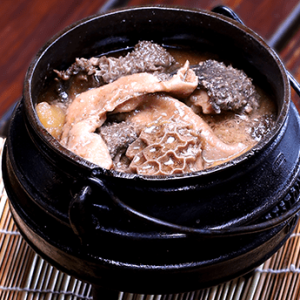
The long, slow simmering process is where mogodu develops its rich, savory flavor. The tripe absorbs the spices and becomes tender, almost melting in your mouth when cooked correctly.
Step 4: Serving Your Mogodu
Once the mogodu is tender and flavorful, it’s time to serve. In my family, we often serve mogodu with pap (a traditional maize meal porridge), dumplings, or steamed bread. You can also serve it with rice, potatoes, or even a simple green salad on the side.
The rich, hearty flavor of mogodu pairs well with something starchy to soak up the sauce. Personally, I love the combination of mogodu and pap because it reminds me of home – of family gatherings where everyone gathered around the table to share a meal.
Tips for Cooking Mogodu Like a Pro
- Don’t rush the cleaning process. It may take some time, but thoroughly cleaning the tripe is essential to getting rid of any strong odors or unpleasant tastes.
- Cook Mogodu (Magulu/Tripe) low and slow. Tripe is tough, so it needs time to become tender. Simmer it gently over low heat for several hours – this will give you the best texture.
- Experiment with flavors. While I’ve given a traditional recipe here, don’t be afraid to experiment with different spices and herbs. Some people like to add bay leaves, thyme, or even a bit of chili for some heat.
- Make it a family affair. If possible, cook mogodu with family or friends. The process is more fun when shared, and it’s a great way to pass down culinary traditions to the next generation.
READ ALSO: https://tangyfood.co.za/traditional-tshidzimba-samp/
Why Mogodu Will Always Have a Special Place in My Heart
Mogodu isn’t just a dish – it’s a connection to my roots, my family, and my culture. Every time I make it, I’m reminded of the stories my grandmother shared in the kitchen, of the laughter and conversations that accompanied each family meal. Cooking mogodu has become a way for me to preserve and honor those memories while sharing a delicious and meaningful dish with my loved ones.
If you’ve never tried making mogodu before, I encourage you to give it a try. It’s a dish that’s steeped in tradition, but there’s plenty of room for creativity and personal touches. And once you’ve perfected your mogodu, you’ll have a comforting, satisfying meal that’s perfect for sharing with family and friends.
Final Thoughts
Cooking mogodu (Magulu/Tripe) takes time